
Hair Transplant for Women: Complete Guide to Female Hair Restoration
Comprehensive guide to hair transplant procedures specifically for women. Learn about female pattern hair loss, treatment options, candidacy, and what to expect from a hair transplant procedure designed for women.
Hair loss affects millions of women worldwide, and hair transplant procedures have become an increasingly popular solution for female pattern hair loss. While hair transplants were traditionally associated with men, modern techniques have made them highly effective for women as well. This comprehensive guide covers everything women need to know about hair transplant procedures, including candidacy requirements, specialized techniques, and what to expect throughout the process.
UNDERSTANDING FEMALE PATTERN HAIR LOSS
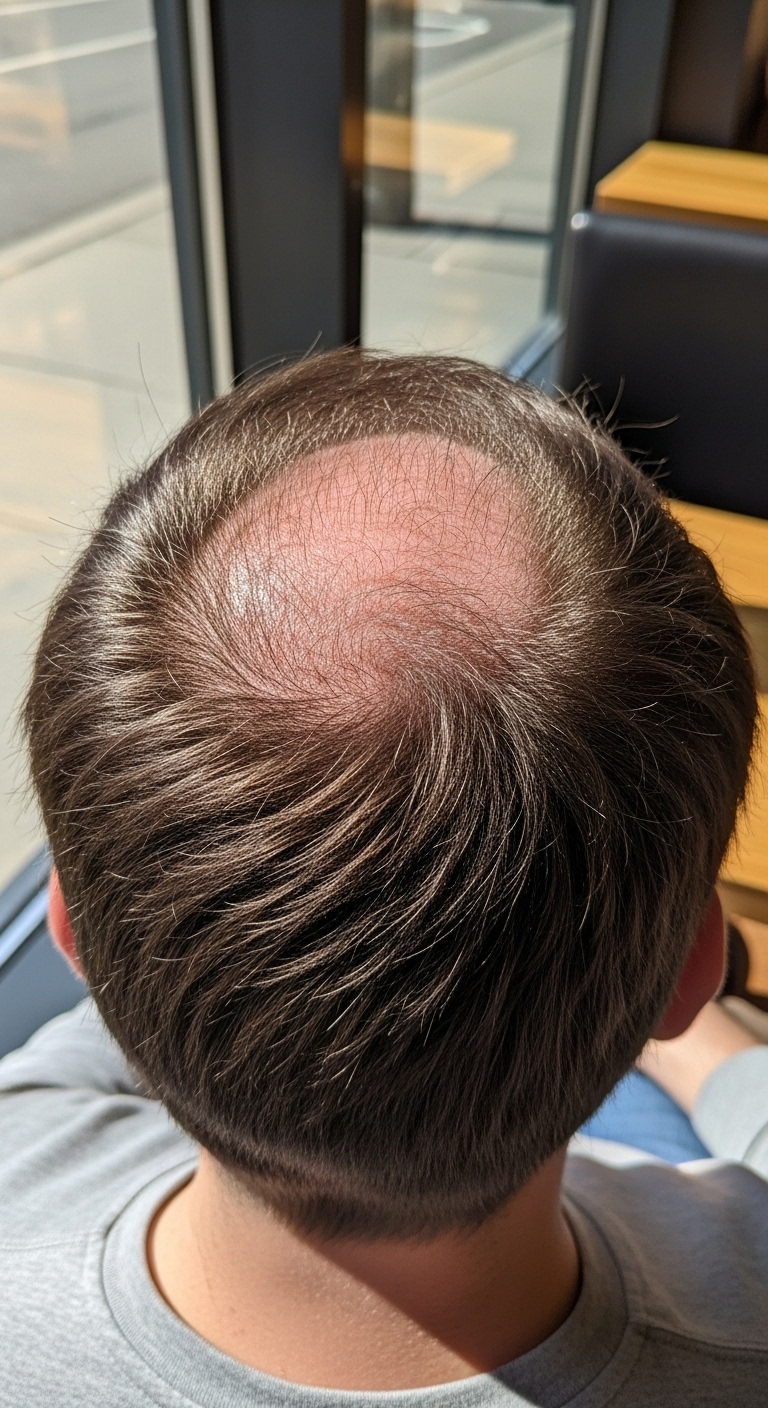
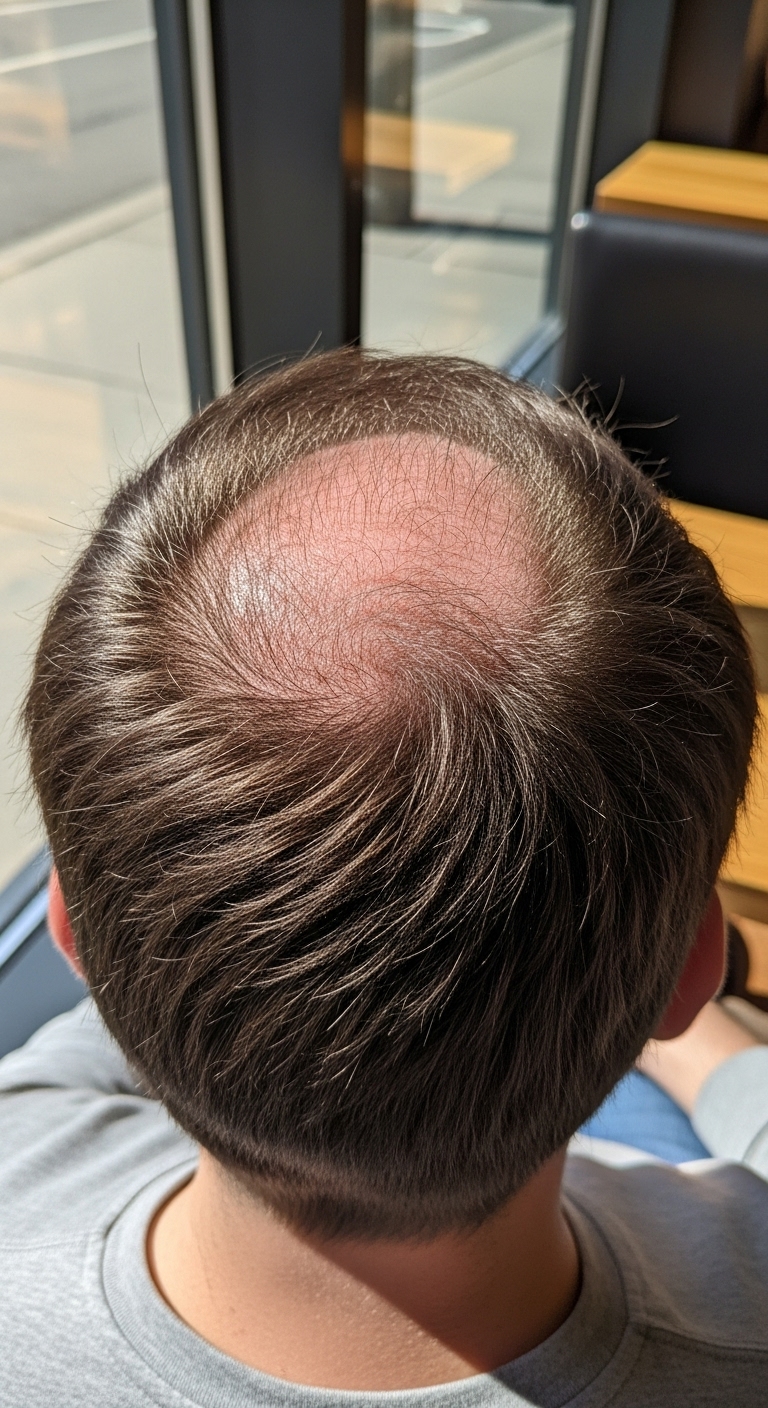
Female pattern hair loss differs significantly from male pattern baldness. Women typically experience diffuse thinning across the scalp rather than receding hairlines or crown baldness. This pattern, known as androgenetic alopecia, affects up to 40% of women by age 50. Understanding the underlying causes—which can include genetics, hormonal changes, stress, and medical conditions—is crucial for determining the most appropriate treatment approach.
CANDIDACY FOR HAIR TRANSPLANT IN WOMEN
Not all women are ideal candidates for hair transplant procedures. Good candidates typically have stable donor areas with sufficient hair density, localized hair loss rather than diffuse thinning, and realistic expectations about results. Women with conditions like telogen effluvium or alopecia areata may need to address underlying issues first. A thorough consultation with an experienced surgeon is essential to determine candidacy.
SPECIALIZED TECHNIQUES FOR WOMEN
Hair transplant procedures for women often require specialized approaches. FUE (Follicular Unit Extraction) is particularly well-suited for women because it allows for precise placement and natural-looking results. The procedure focuses on creating density in thinning areas while maintaining the natural hairline. Surgeons must be especially careful with graft placement to ensure seamless integration with existing hair, as women's hair loss patterns are typically more diffuse than men's.
WHAT TO EXPECT DURING THE PROCEDURE
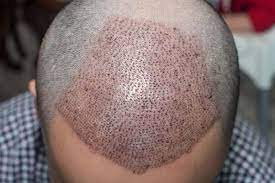
The hair transplant procedure for women follows a similar process to men's procedures but with special considerations. The procedure typically takes 6-8 hours, during which individual hair follicles are extracted from the donor area and carefully implanted into thinning regions. Local anesthesia ensures comfort throughout. Women often appreciate that the procedure can be performed while leaving surrounding hair intact, allowing for easier post-procedure styling and coverage.
RECOVERY AND RESULTS FOR WOMEN
Recovery from a hair transplant is generally similar for both men and women, though women may have additional considerations. The transplanted hair will shed within 2-4 weeks, which is normal. New growth typically begins around 3-4 months, with visible results appearing by 6-8 months. Full results are usually visible after 12-18 months. Women can typically return to styling their hair normally once the initial healing period is complete, usually within 10-14 days.
"Hair transplant procedures can be life-changing for women experiencing hair loss, restoring not just hair but confidence and self-esteem."
COMBINING TREATMENTS
Many women benefit from combining hair transplant procedures with other treatments. Medications like minoxidil or finasteride (for appropriate candidates), PRP (Platelet-Rich Plasma) therapy, and low-level laser therapy can enhance and maintain results. Your surgeon will discuss which combination approach might be most effective for your specific situation and hair loss pattern.