
Hair Transplant vs Alternative Treatments: Which Is Right for You?
Comprehensive comparison of hair transplant procedures versus alternative hair loss treatments. Learn about medications, PRP therapy, laser treatments, and when a hair transplant is the best option for your hair loss.
When facing hair loss, you have numerous treatment options available, each with its own benefits, limitations, and suitability for different situations. Understanding how hair transplants compare to alternative treatments helps you make an informed decision about the best approach for your hair loss. This comprehensive guide compares hair transplant procedures with medications, PRP therapy, laser treatments, and other alternatives, helping you determine which option aligns best with your goals, budget, and hair loss pattern.
HAIR TRANSPLANT VS MEDICATIONS
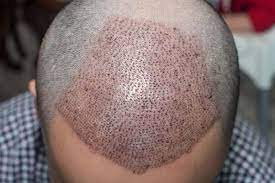
Medications like minoxidil (Rogaine) and finasteride (Propecia) are often the first line of treatment for hair loss. These medications can slow or stop hair loss and may promote some regrowth, but they require ongoing use and don't restore hair in completely bald areas. Hair transplants provide permanent results by relocating existing hair follicles, but they don't prevent future hair loss in untreated areas. Many patients find the best results come from combining both approaches—using medications to maintain existing hair and prevent further loss, while transplants restore hair in areas that have already been lost.
HAIR TRANSPLANT VS PRP THERAPY
PRP (Platelet-Rich Plasma) therapy involves injecting concentrated platelets from your own blood into the scalp to stimulate hair growth. PRP can be effective for early-stage hair loss and may enhance hair transplant results, but it typically provides modest improvements rather than dramatic restoration. Hair transplants offer more substantial and predictable results for areas with significant hair loss. PRP is often used as a complementary treatment alongside hair transplants or for patients in early stages of hair loss who want to avoid surgery.
HAIR TRANSPLANT VS LASER THERAPY
Low-level laser therapy (LLLT) uses red light to stimulate hair follicles and promote growth. While LLLT can help maintain existing hair and may provide some regrowth in early stages, results are typically modest and require ongoing treatment. Hair transplants provide permanent, substantial results by actually restoring hair in bald areas. LLLT is often used as maintenance therapy after a hair transplant or for patients with early-stage hair loss who want a non-invasive option.

WHEN TO CHOOSE HAIR TRANSPLANT
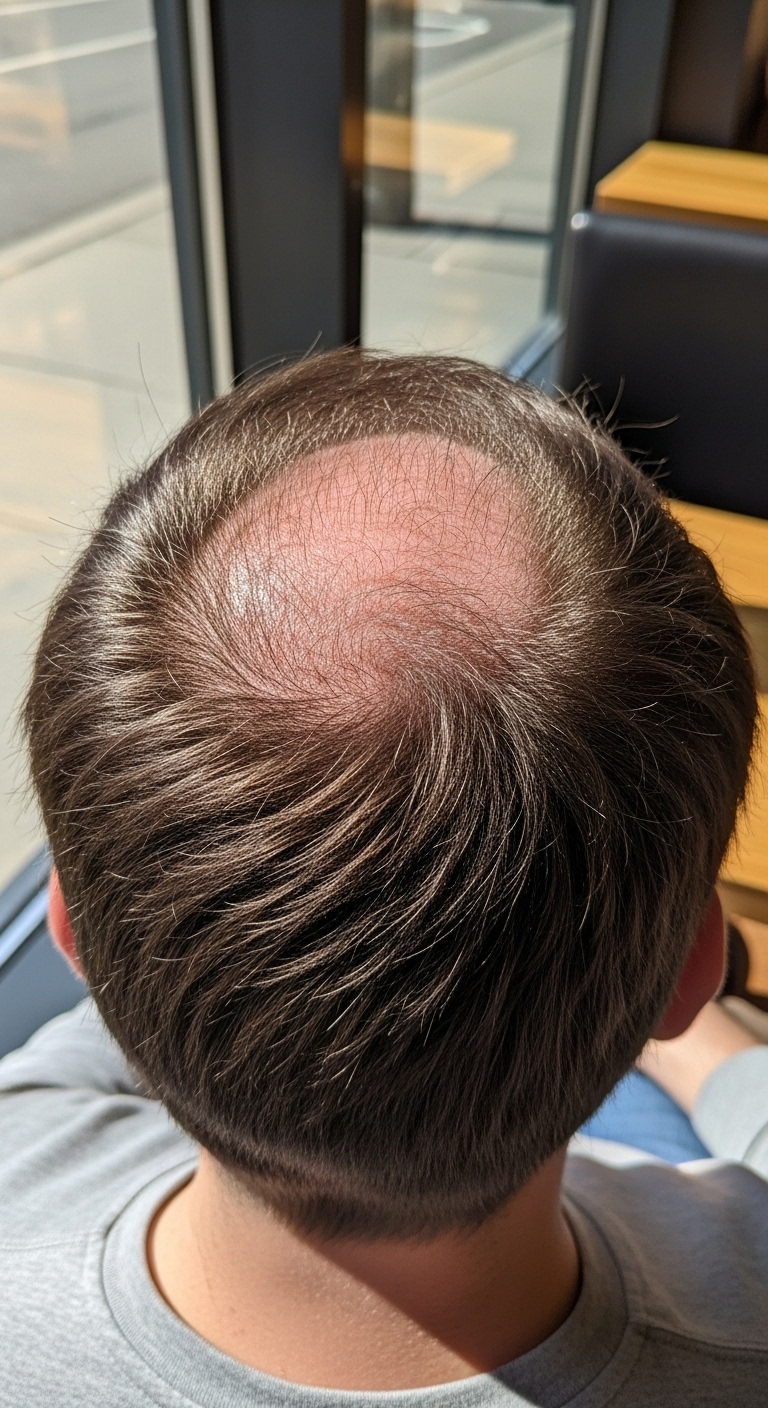
Hair transplants are typically the best choice for patients with stable, well-defined areas of hair loss who want permanent, substantial results. Ideal candidates have sufficient donor hair, realistic expectations, and areas of complete or significant hair loss that won't respond well to medications alone. Hair transplants are particularly effective for restoring hairlines, filling in crown baldness, and creating density in thinning areas. If you're looking for a one-time procedure with permanent results, a hair transplant may be your best option.
WHEN ALTERNATIVE TREATMENTS ARE BETTER
Alternative treatments may be more appropriate for patients in early stages of hair loss, those who want to avoid surgery, or individuals with diffuse thinning rather than well-defined bald areas. Medications are excellent for preventing further hair loss and maintaining existing hair. PRP and laser therapy can be effective for early intervention or as maintenance treatments. These options are also more suitable for patients who prefer non-surgical approaches or have medical conditions that make surgery inadvisable.
"The best hair loss treatment strategy often combines multiple approaches—using medications to prevent further loss while transplants restore what's already been lost."
COMBINING TREATMENTS FOR OPTIMAL RESULTS
Many patients achieve the best results by combining hair transplants with other treatments. A common approach is to use medications (finasteride, minoxidil) to prevent further hair loss and maintain existing hair, while hair transplants restore hair in areas that have already been lost. PRP therapy can enhance transplant results and promote healing. This combination approach maximizes both prevention and restoration, providing comprehensive hair loss management.
COST COMPARISON
Cost is an important consideration when choosing treatments. Medications require ongoing monthly costs that accumulate over time. PRP and laser therapy also involve multiple sessions and ongoing maintenance. Hair transplants have a higher upfront cost but provide permanent results with no ongoing maintenance required. When considering long-term costs, hair transplants often provide better value for patients with significant hair loss, especially when performed in countries like Turkey where costs are more affordable.
MAKING THE RIGHT CHOICE
The best treatment choice depends on your specific situation, including the extent of your hair loss, your age, donor hair availability, budget, and personal preferences. A consultation with an experienced hair restoration specialist can help you understand which approach or combination of approaches will work best for you. Many patients find that a combination strategy provides optimal results, addressing both prevention and restoration.